Recover usable battery capacity where condition allows, extend useful service life and make a more informed replacement decision.
Lead sulphate forms on the battery plates during discharge. When persistent sulphate crystals accumulate, they can reduce usable capacity. Specialist regeneration equipment developed by Be Energy in France uses a regeneration charging process designed to reverse recoverable sulphation and restore usable capacity.
Regeneration cannot reverse every form of battery deterioration. The outcome depends on the condition of the battery and is assessed through testing.
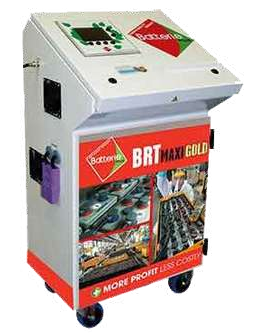
A structured assessment and regeneration process, with checks to evaluate the result.
The photographs illustrate the physical condition before and after workshop treatment. Electrical recovery must be assessed through testing, not appearance alone.
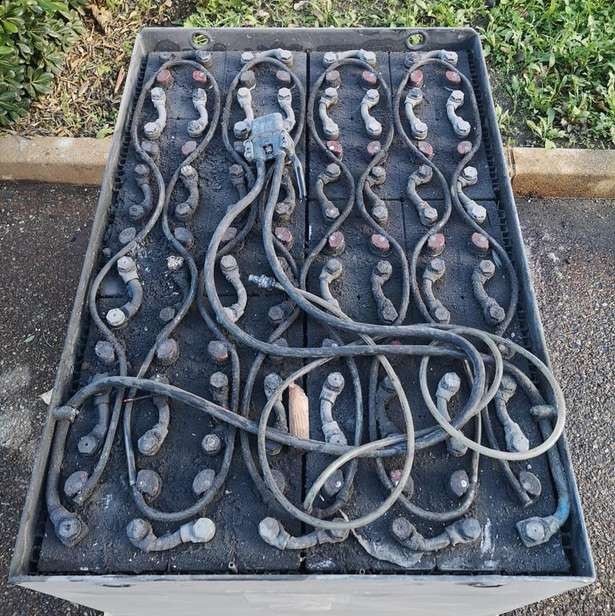
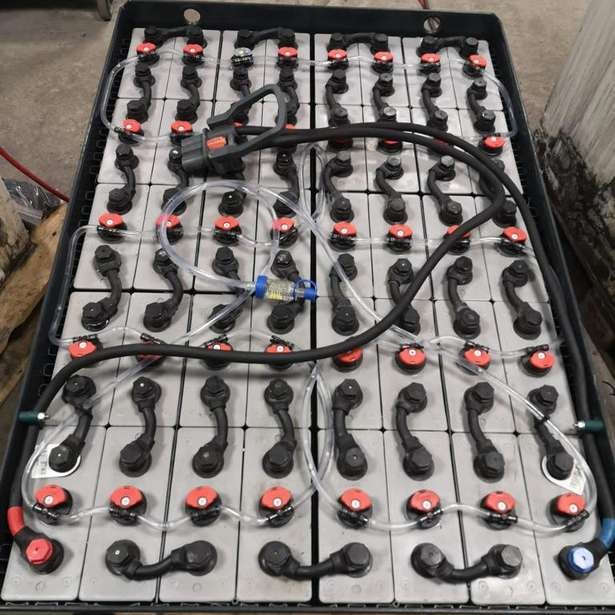
Recoverable batteries may offer a cost-effective alternative to buying new.
Assessment helps distinguish recoverable capacity loss from batteries that need replacement.
Extending useful battery life can defer disposal and reduce demand for replacement materials.
Recovery, remaining life and commercial benefits vary by battery condition and application.
Arrange a battery health assessment before committing to replacement.